VIP Areas: Design, Identity and Experience in a Single Space
At any event, there are spaces capable of completely transforming the attendee experience. Places designed to pause, disconnect from the pace of the event, and enjoy it from a different perspective. VIP and hospitality areas are created precisely with this purpose in mind: to offer more comfortable, exclusive, and carefully curated environments where every detail shapes the perception and memory of those who experience them.
Beyond restricted access, these spaces must convey identity, comfort, and visual coherence. This is where design and furniture play an essential role. Creating a premium experience does not depend solely on the location or the services offered, but also on how the environment is built and perceived.
Creating exclusivity through space
Exclusivity does not always require large structures or physical separations. In many cases, a well-planned spatial layout is enough to generate a distinctive atmosphere within the event.
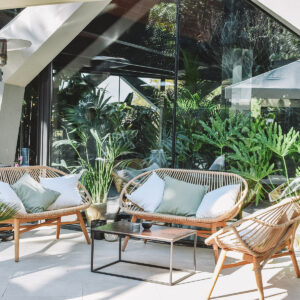
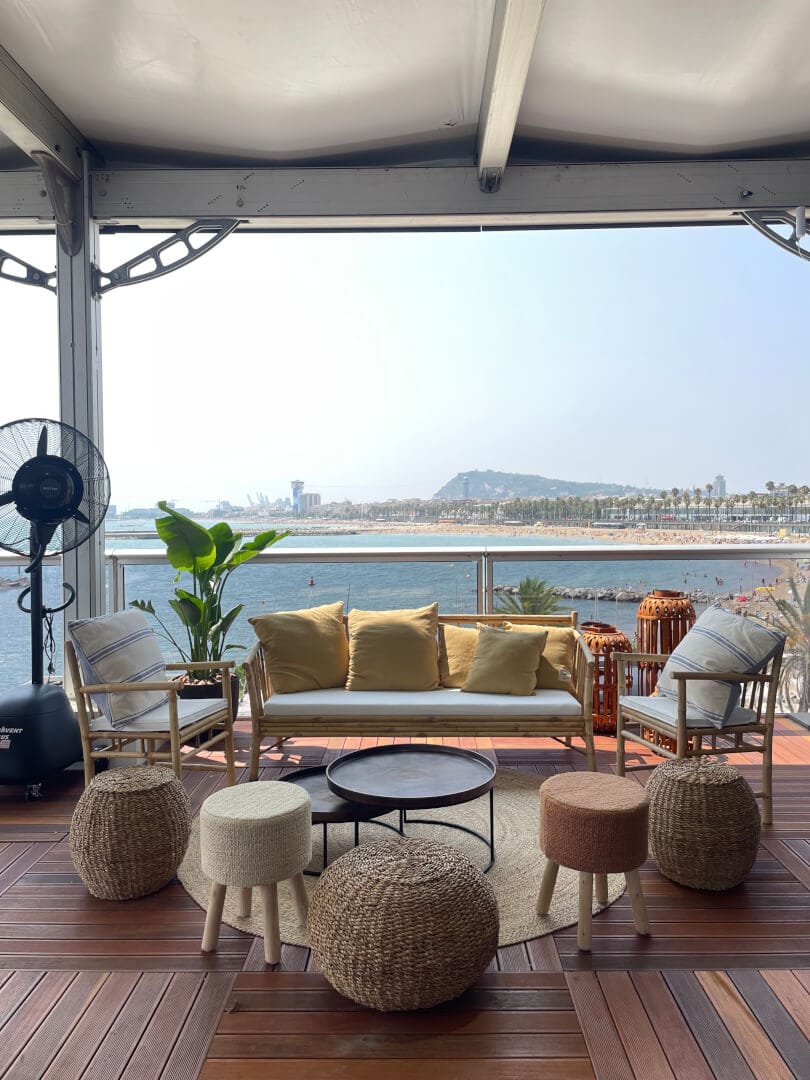
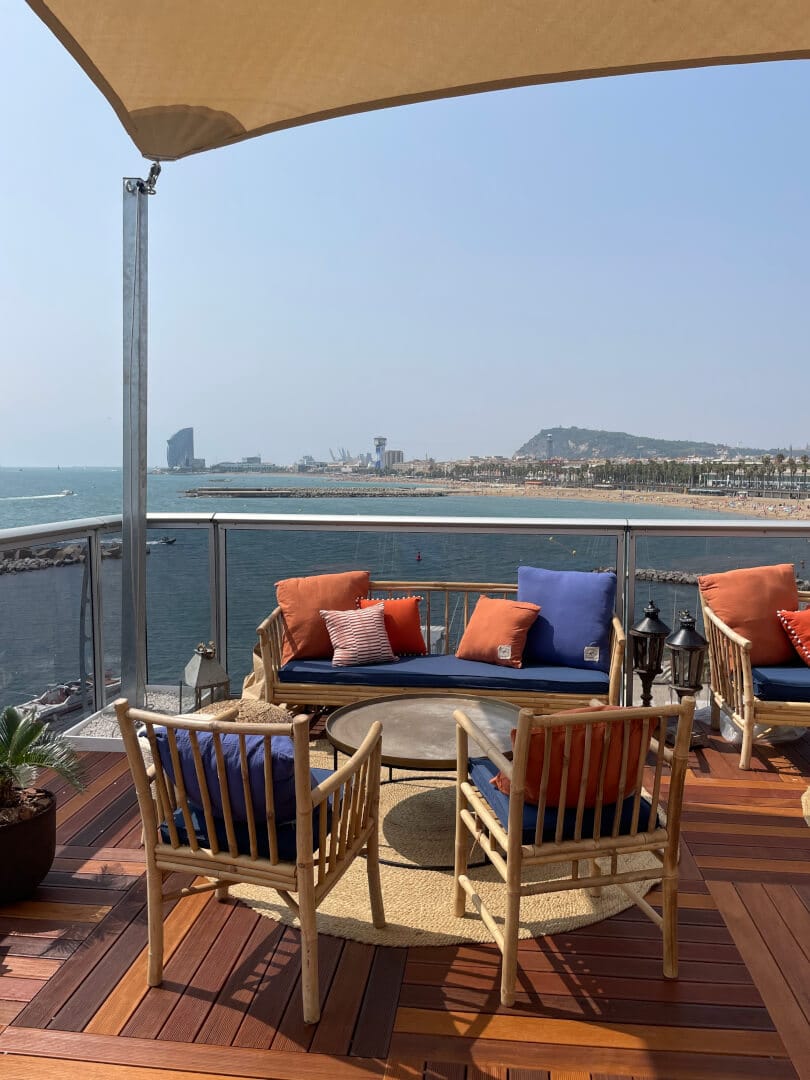
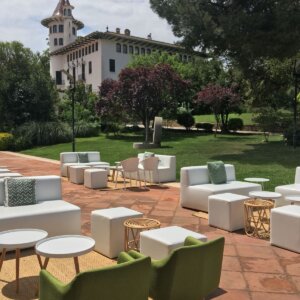
Lounge compositions, elevated areas, or the strategic use of furniture make it possible to naturally define different environments, creating more private spaces without disrupting the overall aesthetics of the venue. Elements such as modular sofas, side tables, or dividers help organize circulation while providing a more subtle and elegant sense of privacy.
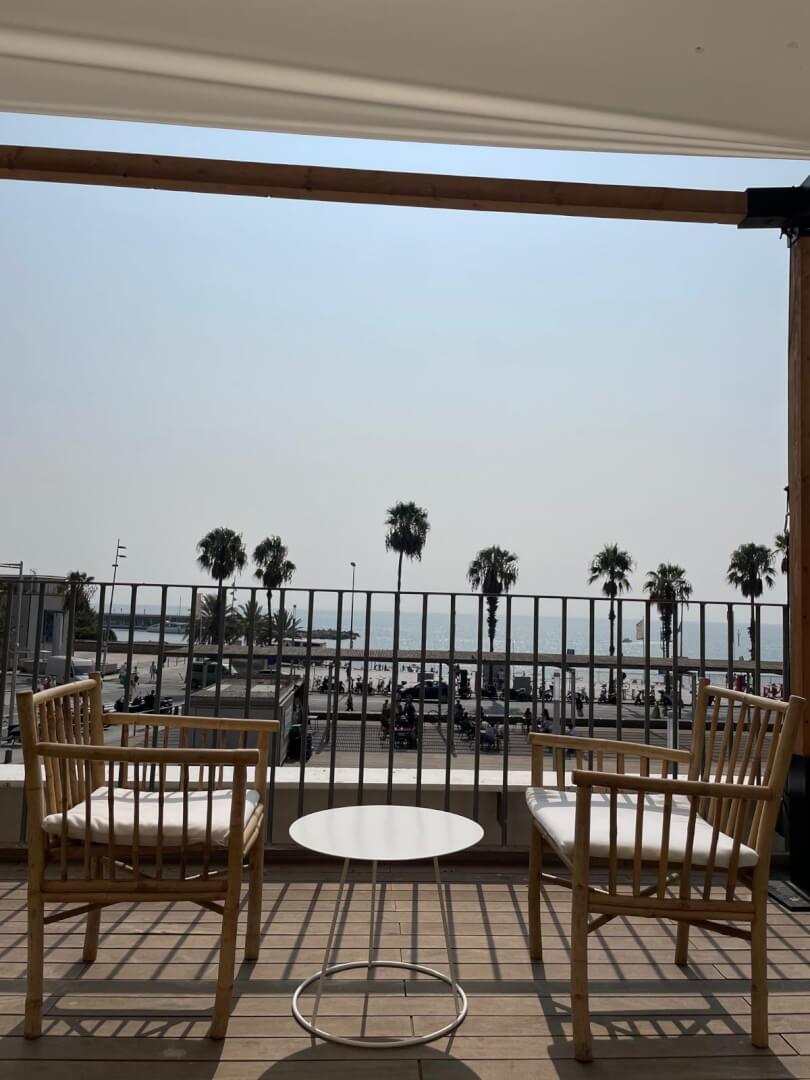
Location also shapes the experience. VIP areas are usually positioned in strategic points within the event: spaces with better views, less crowding, or greater openness. In this context, furniture should reinforce that premium perception through comfortable, durable pieces designed for extended stays.
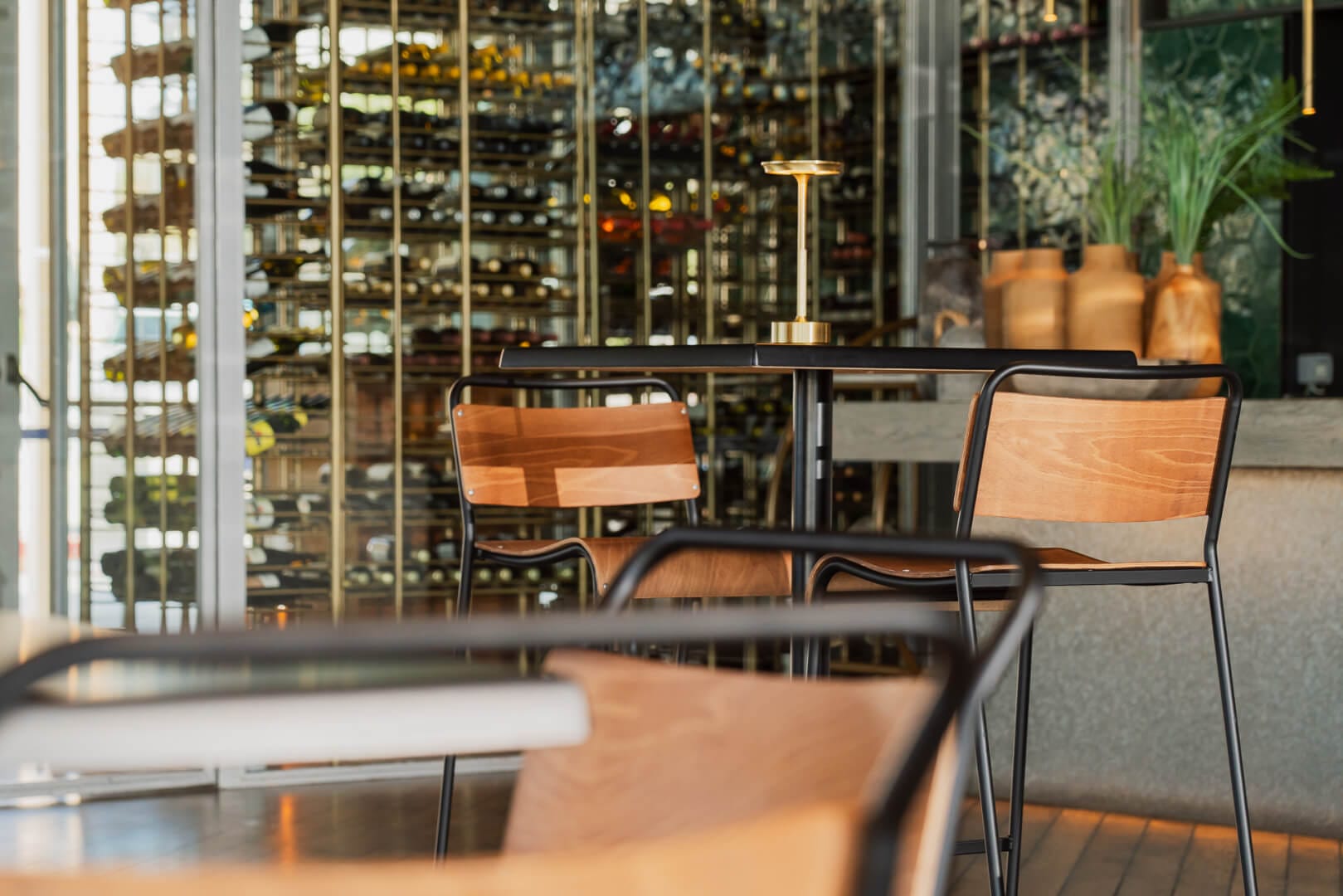
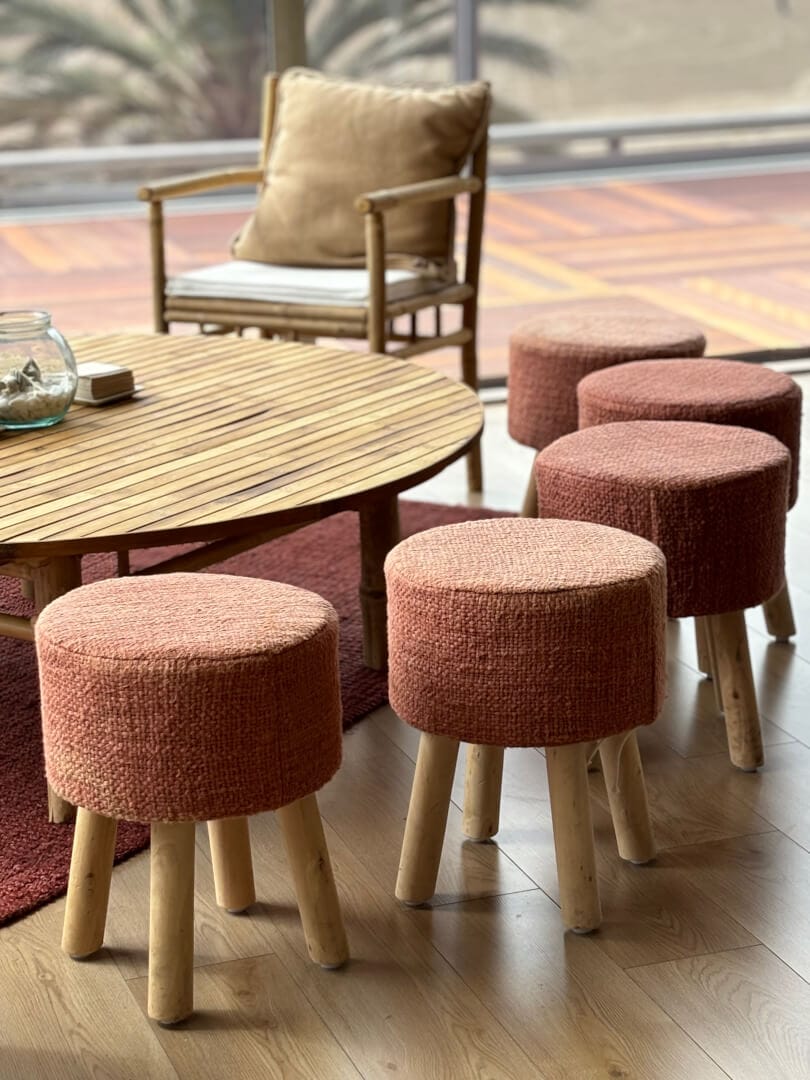
In addition, materials and finishes help build a unique identity within the event. Natural wood, metal structures, neutral textiles, or ambient lighting can strengthen the character of the space without visually overloading it.
Hospitality as part of the experience
Today, hospitality areas function as an extension of the event experience. They are no longer simply catering spaces, but environments designed for socializing, relaxing, and enjoying the event more comfortably.
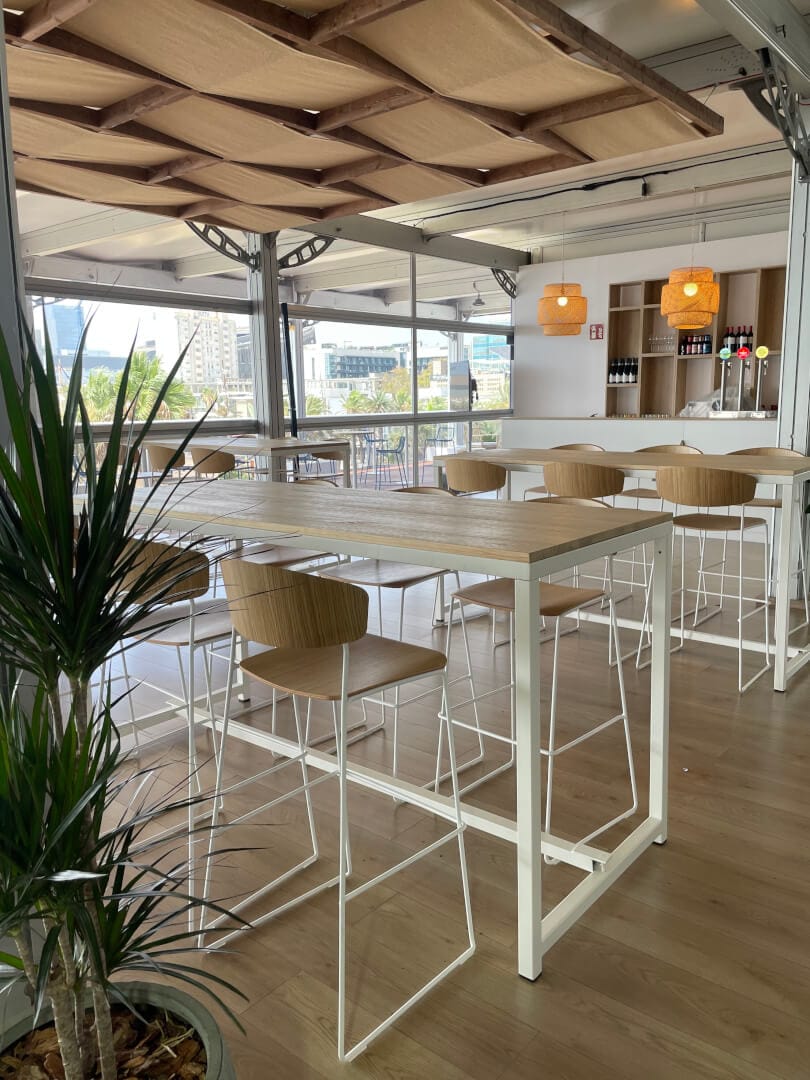
Layout plays a key role in creating fluid and functional spaces. Modular bars, high tables, or cocktail-style setups encourage attendee movement and allow the environment to adapt to different moments of the event.
Within these areas, hybrid spaces are becoming increasingly important: zones where catering, relaxation, and interaction points coexist. Charging stations for devices, for example, are now integrated more naturally through auxiliary furniture or lounge compositions, adding functionality without disrupting the overall aesthetics.
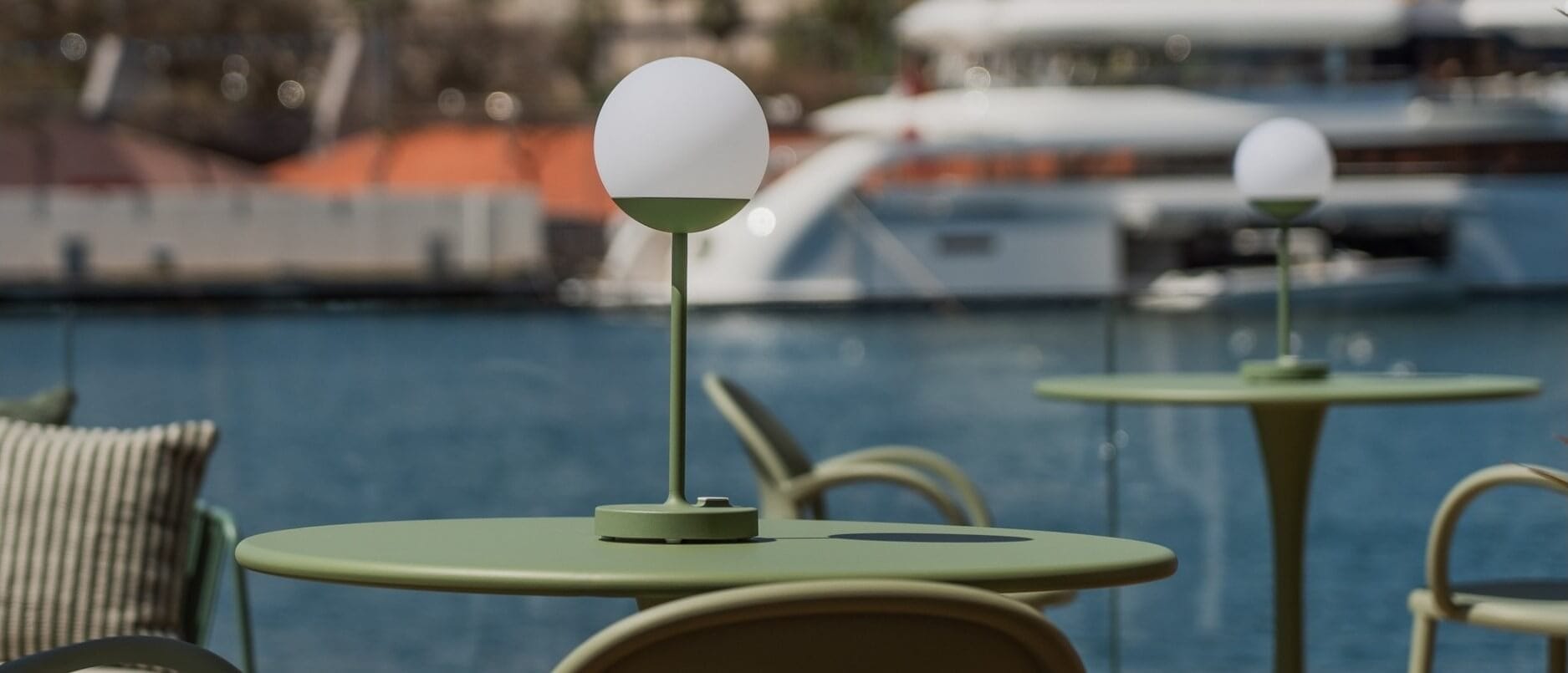
Attention to detail also directly influences user perception. Warm lighting, pleasant materials, or small decorative elements help create more welcoming and memorable environments. Even merchandising or personalized elements can become part of the visual experience and reinforce the event’s identity.
Designing experiences for different audiences
Every event brings together different types of attendees, and VIP areas must be able to adapt to those needs. As a result, it is increasingly common to find different access levels or differentiated experiences within the same venue.
Some attendees seek quiet spaces to relax, while others prioritize networking, gastronomy, or a privileged location. Furniture helps meet these expectations through versatile and easily configurable environments.
Modular compositions especially provide this flexibility, allowing a space to transform according to the type of event, schedule, or required capacity. From chill-out areas to more social environments or semi-private spaces, each layout influences the way users experience the event.
Ultimately, VIP and hospitality areas have become a key tool for increasing the value of any event. Through design, layout, and the right furniture, it is possible to create exclusive spaces that not only provide comfort, but also reinforce the identity and overall experience of the event.
Combine it with
See all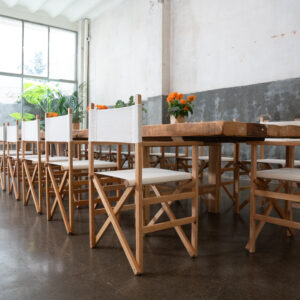
The complete guide to director’s chairs: history, uses and why they are essential for moviegoers and events.
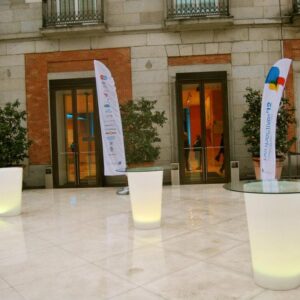
A unique experience at the Thyssen-Bornemisza Museum
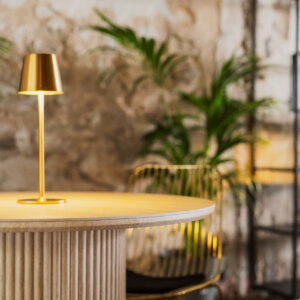
Designer furniture for events
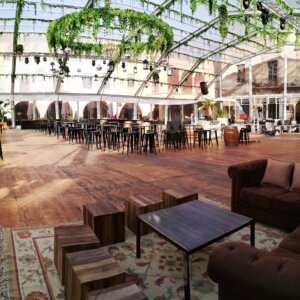
Trascendetal events
Corporate and business meals in wineries
Pirate ship in sight!
Summer never ends
A maritme gala dinner